
TL;DR
Project Overview
Employer
Packa, a start-up that builds a packaging software
Year
2025
Team
2 developers, 1 product owner, 1 product designer (me)
Context & Goals
Designing a structured, milestone-based workflow for managing packaging artwork approvals across internal teams and external suppliers. The core challenge was enforcing clear role boundaries and a consistent UX pattern across all phases, while supporting location-based file annotation, iterative feedback loops, and full project history — without exposing sensitive process details to external parties.
Company & Product
Packa is a digital packaging management platform that centralizes technical specifications, artwork approvals, sustainability analyses, and supplier information, replacing fragmented spreadsheets and disconnected tools. It improves collaboration across packaging, procurement, regulatory, and sustainability teams.
With built-in tools for PPWR compliance, EPR calculations, CO₂ footprint analysis, and recyclability assessments, Packa helps companies meet growing regulatory demands while improving data quality and transparency. It's purpose-built for industries where packaging, product design, and regulations are tightly intertwined, such as food and beverage, pet food, cosmetics, and consumer goods.
Discovery
The artwork approval feature was supposed to be built from the ground up, a complete greenfield development (except from the product's existing layout structure)
To define the right scope and logic, we conducted discovery interviews with stakeholders across three pilot customers, speaking with graphic designers, marketing managers, quality assurance teams, and buying team members to surface requirements and identify common denominators across their workflows.
All three companies shared the same core problem: artwork projects were managed in a highly decentralized, manual way. Feedback was collected via comment functions in Acrobat Reader, communication happened through long email threads across all involved parties, and project status as well as deadlines were tracked in Excel spreadsheets. There was no single source of truth, no structured handoff process, and no clear ownership.
Challenges
After several interviews we understood that the central challenge that emerged was balancing openness with control: every stakeholder needed the ability to provide feedback at any stage, and crucially, to raise a veto if an intermediate result did not meet their standards.
At the same time, the process needed a clear decision-making authority to prevent the project from stalling. This tension between collective input and decisive progression became the core design principle that shaped the entire feature.

Ideation & Information Architecture
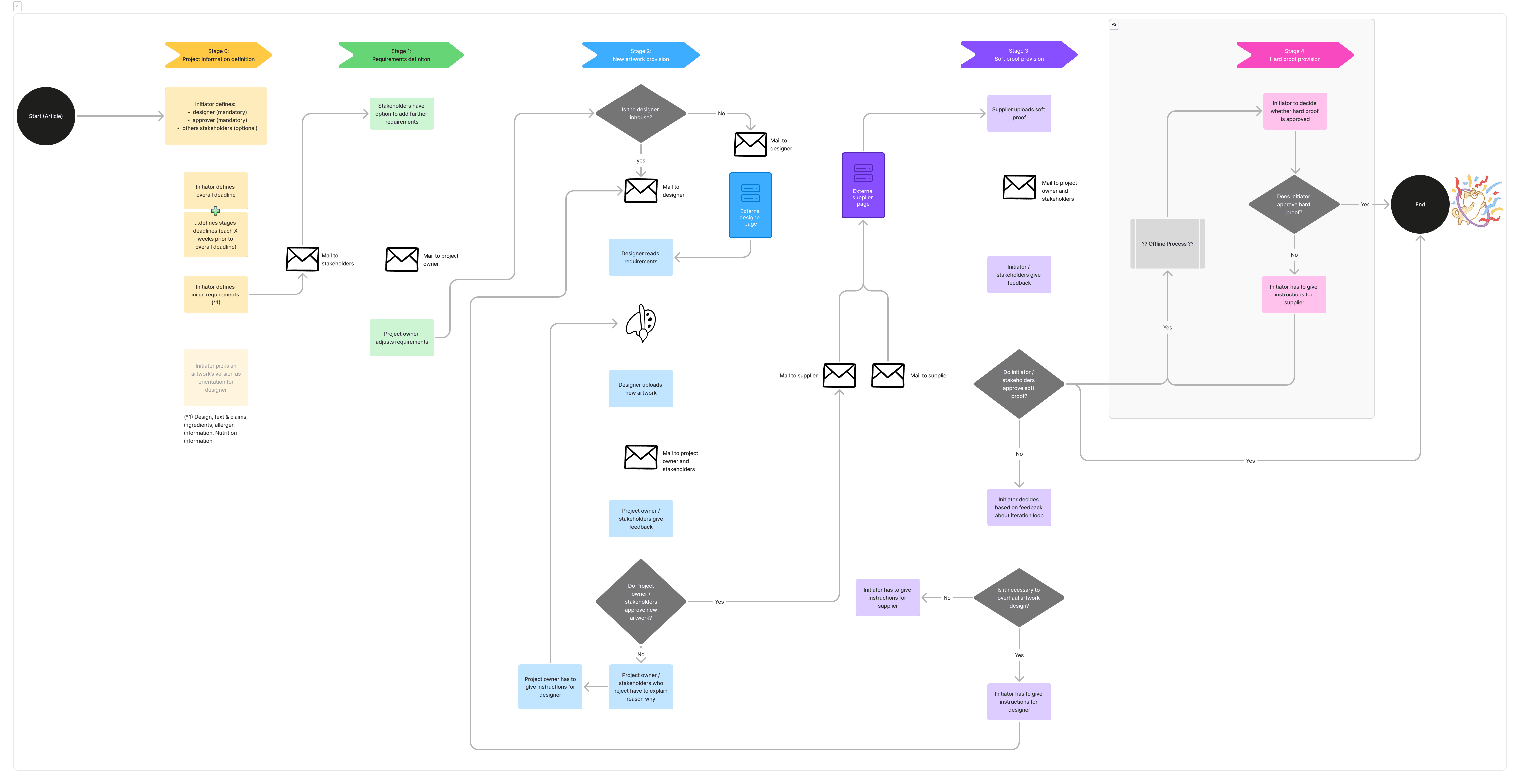
After some workshop rounds we were able to draw a more detailed user flow
Interface Design
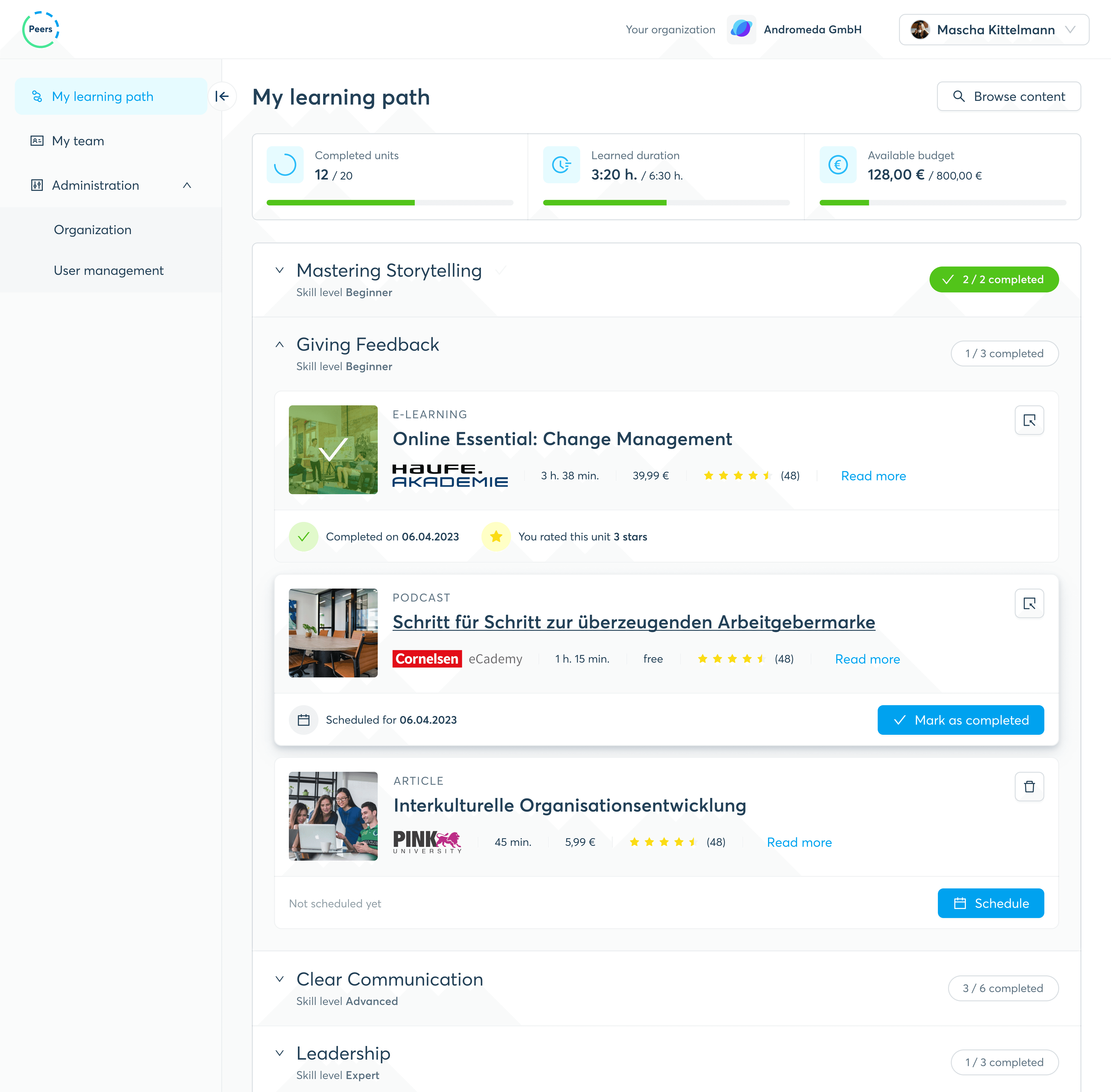
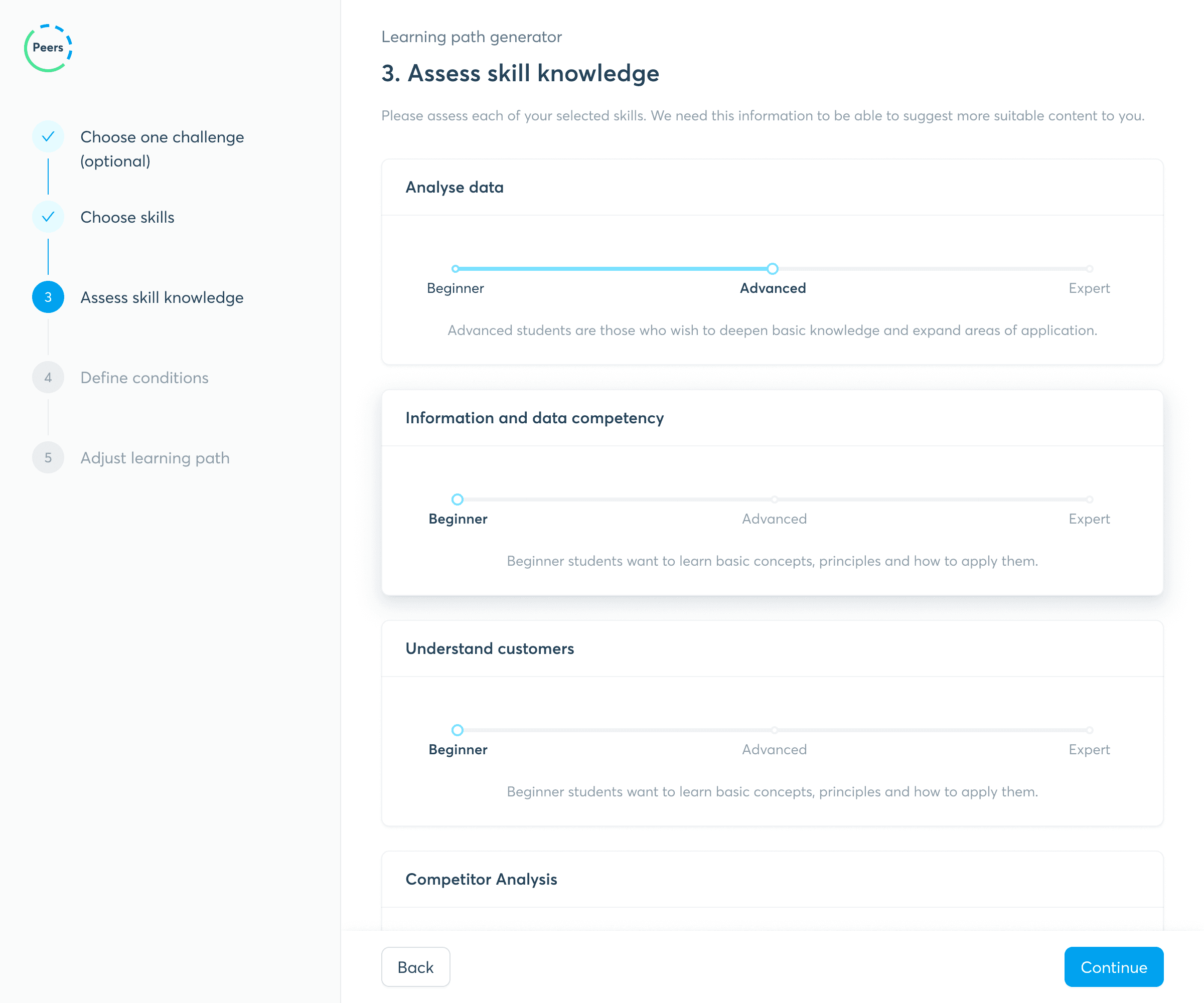
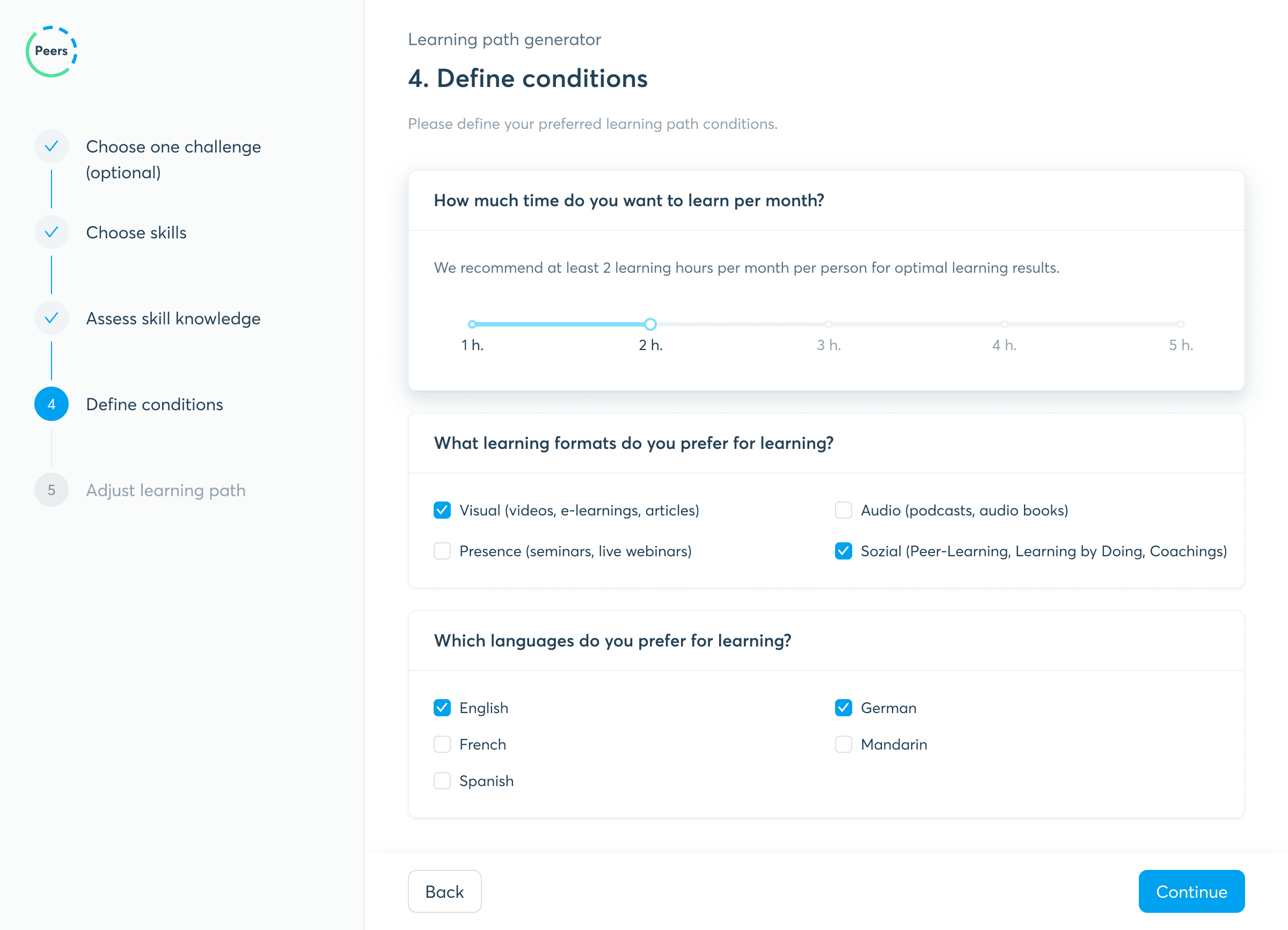
To ensure a modern, cohesive interface and streamline frontend development, Packa relies on shadcn/ui — a flexible, composable React component library. Its predefined yet fully customizable components reduce the risk of inconsistencies while giving us the freedom to tailor the UI precisely to Packa's needs.
Use buttons < > to navigate mockups


Lessons learned
The distinct challenges that emerged at each milestone reinforced the importance of design patterns in ensuring a consistent user experience.
Visual hierarchy plays a crucial role in achieving this: rather than presenting all information at once, it's far more effective to surface only what's relevant to the user in a given moment. Reducing information thoughtfully strengthens user guidance — particularly in complex wizard-based flows, where striking the right balance between data density and clarity is key to a smooth experience.
No amount of conceptual work can replace real-world usability testing. Iterating with actual users is the only reliable way to verify that a digital flow truly fits the analog process behind it—what looks seamless in a prototype often uncovers friction the moment it meets everyday reality.